
HDPE vs LDPE vs LLDPE: Understanding the Difference Between Popular Polyethylene Resins
- Published 2026-05-10
- Comments 02 comments
- Duration 01 mins read
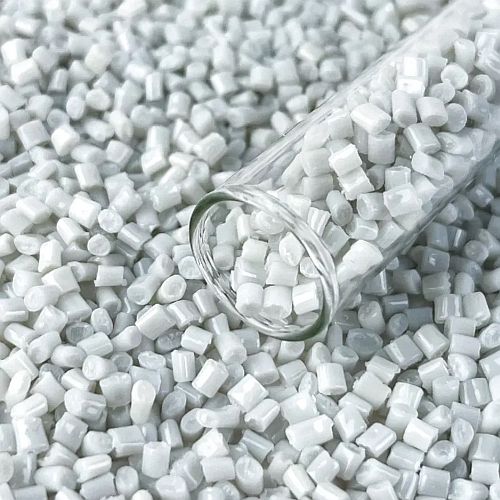
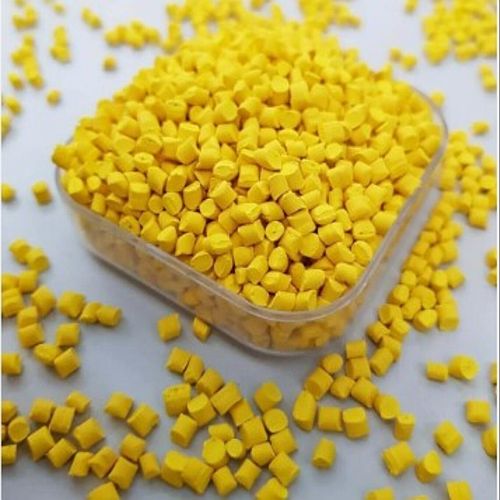
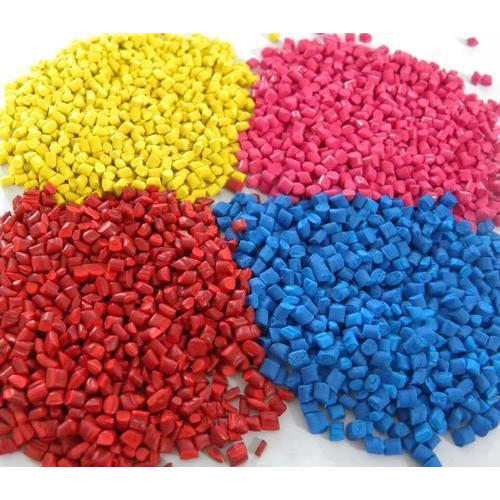
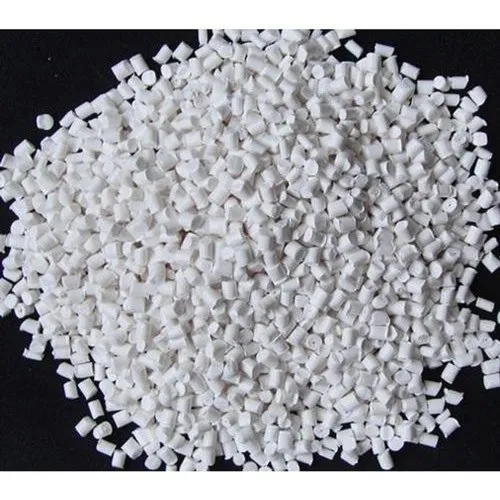
Polyethylene resins are among the most widely used plastic raw materials in the global manufacturing industry. HDPE, LDPE, and LLDPE granules are essential polymer materials used across packaging, construction, agriculture, automotive, industrial production, and consumer goods sectors. Although these materials belong to the polyethylene family, each resin offers unique characteristics, advantages, and industrial applications.
Understanding the difference between HDPE, LDPE, and LLDPE helps manufacturers choose the right virgin plastic granules for their specific production requirements. ECO PLASTI SRL supplies premium quality HDPE, LDPE, and LLDPE virgin plastic granules worldwide for industrial and commercial manufacturing applications.
What Is HDPE?
HDPE stands for High Density Polyethylene. It is a strong, durable, and rigid thermoplastic polymer widely used in heavy-duty industrial applications. HDPE resin provides excellent chemical resistance, high tensile strength, moisture resistance, and long-term durability.
Main Characteristics of HDPE
- High strength and rigidity
- Excellent chemical resistance
- Strong impact resistance
- Moisture-resistant properties
- Durable industrial performance
- High temperature tolerance
Common Applications of HDPE
- Water pipes
- Chemical containers
- Plastic drums
- Industrial packaging
- Blow molded bottles
- Plastic crates
- Household products
HDPE granules are highly preferred for applications requiring strength, durability, and structural performance.
What Is LDPE?
LDPE stands for Low Density Polyethylene. LDPE resin is softer, more flexible, and lightweight compared to HDPE. This polymer material is commonly used in flexible packaging and film manufacturing industries.
Main Characteristics of LDPE
- Excellent flexibility
- Lightweight structure
- Good transparency
- Moisture resistance
- Soft material composition
- Easy processing performance
Common Applications of LDPE
- Plastic shopping bags
- Shrink films
- Packaging films
- Flexible containers
- Cable insulation
- Agricultural films
LDPE granules are ideal for applications requiring flexibility and softness.
What Is LLDPE?
LLDPE stands for Linear Low Density Polyethylene. LLDPE resin combines flexibility with higher tensile strength and puncture resistance compared to LDPE. It is widely used for industrial packaging and stretch film applications.
Main Characteristics of LLDPE
- High flexibility
- Excellent puncture resistance
- Superior tensile strength
- Improved durability
- Better stretchability
- Strong impact resistance
Common Applications of LLDPE
- Stretch films
- Food packaging
- Industrial liners
- Agricultural films
- Rotomolding products
- Packaging wraps
LLDPE granules are commonly used for flexible applications requiring strength and durability.
Polyethylene resins are among the most widely used plastic raw materials in the global manufacturing industry. HDPE, LDPE, and LLDPE granules are essential polymer materials used across packaging, construction, agriculture, automotive, industrial production, and consumer goods sectors. Although these materials belong to the polyethylene family, each resin offers unique characteristics, advantages, and industrial applications.
Understanding the difference between HDPE, LDPE, and LLDPE helps manufacturers choose the right virgin plastic granules for their specific production requirements. ECO PLASTI SRL supplies premium quality HDPE, LDPE, and LLDPE virgin plastic granules worldwide for industrial and commercial manufacturing applications.
What Is HDPE?
HDPE stands for High Density Polyethylene. It is a strong, durable, and rigid thermoplastic polymer widely used in heavy-duty industrial applications. HDPE resin provides excellent chemical resistance, high tensile strength, moisture resistance, and long-term durability.
Main Characteristics of HDPE
- High strength and rigidity
- Excellent chemical resistance
- Strong impact resistance
- Moisture-resistant properties
- Durable industrial performance
- High temperature tolerance
Common Applications of HDPE
- Water pipes
- Chemical containers
- Plastic drums
- Industrial packaging
- Blow molded bottles
- Plastic crates
- Household products
HDPE granules are highly preferred for applications requiring strength, durability, and structural performance.
What Is LDPE?
LDPE stands for Low Density Polyethylene. LDPE resin is softer, more flexible, and lightweight compared to HDPE. This polymer material is commonly used in flexible packaging and film manufacturing industries.
Main Characteristics of LDPE
- Excellent flexibility
- Lightweight structure
- Good transparency
- Moisture resistance
- Soft material composition
- Easy processing performance
Common Applications of LDPE
- Plastic shopping bags
- Shrink films
- Packaging films
- Flexible containers
- Cable insulation
- Agricultural films
LDPE granules are ideal for applications requiring flexibility and softness.
What Is LLDPE?
LLDPE stands for Linear Low Density Polyethylene. LLDPE resin combines flexibility with higher tensile strength and puncture resistance compared to LDPE. It is widely used for industrial packaging and stretch film applications.
Main Characteristics of LLDPE
- High flexibility
- Excellent puncture resistance
- Superior tensile strength
- Improved durability
- Better stretchability
- Strong impact resistance
Common Applications of LLDPE
- Stretch films
- Food packaging
- Industrial liners
- Agricultural films
- Rotomolding products
- Packaging wraps
LLDPE granules are commonly used for flexible applications requiring strength and durability.
Why Choose ECO PLASTI SRL
ECO PLASTI SRL supplies premium virgin polyethylene granules with reliable export solutions and international supply support.
Our Advantages
- High-quality virgin polymer materials
- Worldwide export supply
- Competitive international pricing
- Reliable logistics support
- Professional customer service
- Fast global shipping
- Long-term business partnership focus
Frequently Asked Questions (FAQs)
What is the main difference between HDPE and LDPE?
HDPE is stronger and more rigid, while LDPE is softer, flexible, and lightweight.
What is LLDPE used for?
LLDPE is mainly used for stretch films, food packaging, industrial liners, and flexible packaging applications.
Which polyethylene resin is strongest?
HDPE provides the highest rigidity and structural strength among polyethylene materials.
Why use virgin polyethylene granules?
Virgin polyethylene granules provide superior quality, better consistency, improved durability, and reliable industrial processing performance.
Where can I buy HDPE, LDPE, and LLDPE granules worldwide?
ECO PLASTI SRL supplies premium virgin polyethylene granules with worldwide export services from Italy.